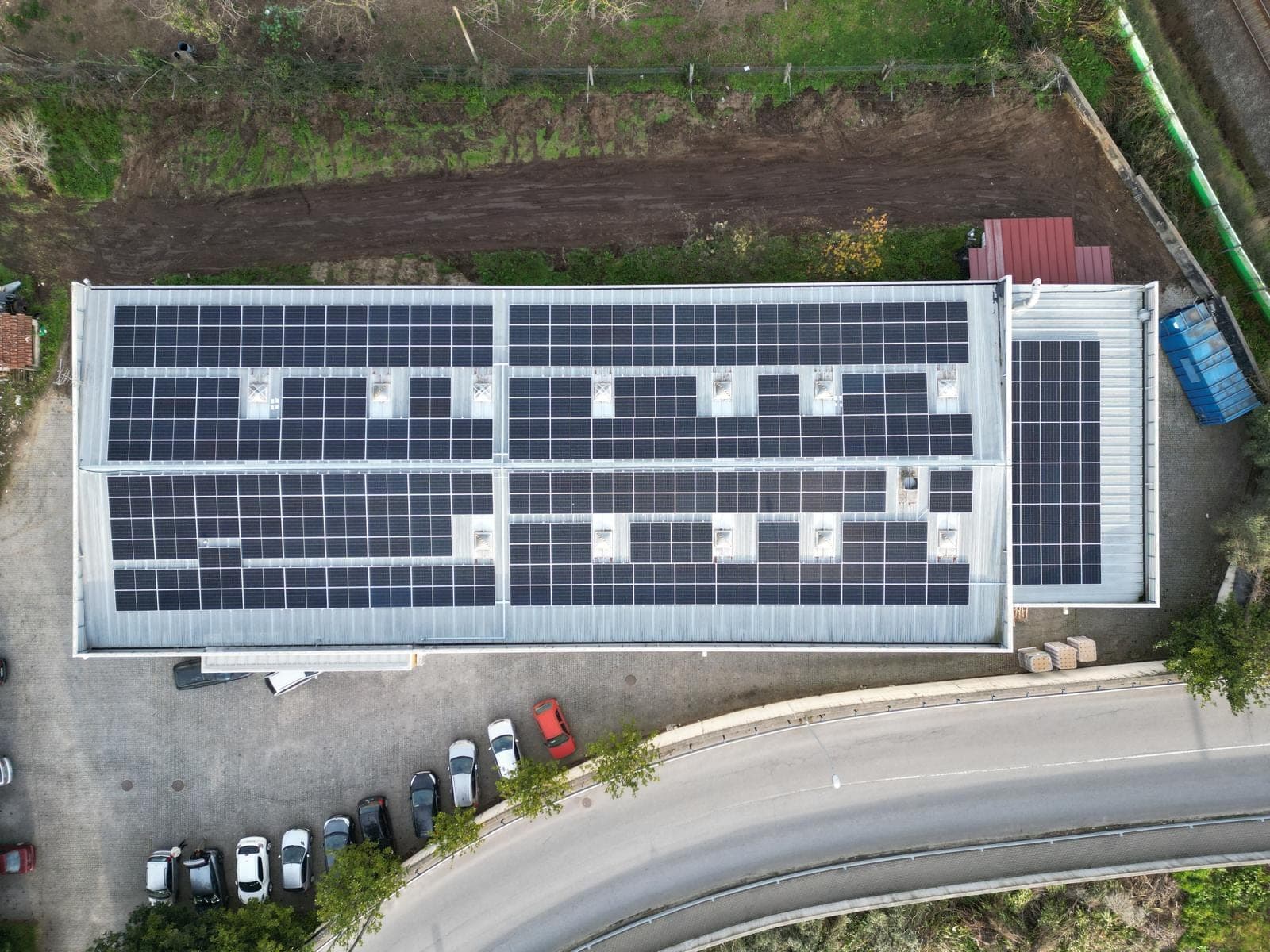

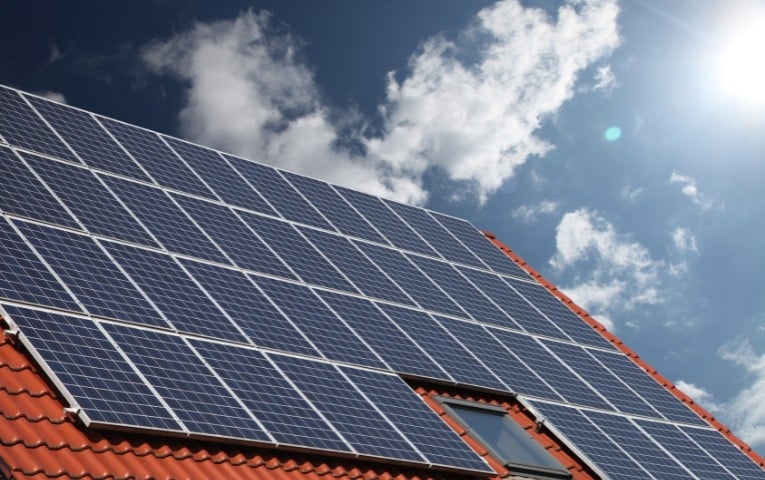
After installing solar panels, many customers ask: "If I generate more energy than I consume, can I sell the surplus?" The answer is yes—and this is one of the major advantages of solar energy. But understanding how this process works and when it’s worth it is essential to making the best decision.
What is self-consumption with grid feed-in?
In this model, the energy produced by the solar panels is used first for your own consumption. The surplus energy that isn’t consumed is fed into the public grid. For example: if your system produces 10 kWh on a given day and your home consumes only 7 kWh, the remaining 3 kWh are fed into the grid.
To receive compensation for this energy, you must enter into a contract with an energy supplier.
How does the process work?
Three essential steps:
- Register the self-consumption system as a UPAC (Self-Consumption Production Unit) with the DGEG — mandatory for systems over 350W
- Install a bidirectional meter that records both the energy consumed from the grid and the energy fed into it
- Sign a contract with an energy supplier to define the terms of compensation for the surplus fed into the grid
How much do I receive for the surplus?
The amount paid for the surplus varies depending on the contract signed with the supplier. It is important to note that the amount paid for the energy fed into the grid is always lower than the price of energy consumed from the grid. Therefore, direct self-consumption is always more profitable than feeding into the grid—the priority should be to consume as much of the energy you produce as possible.
Is it worth feeding into the grid?
Yes—it’s an excellent way to reduce the payback period and avoid wasting energy during periods of low consumption. Instead of “losing” the energy you don’t consume, that energy generates additional revenue that helps offset the initial investment in the photovoltaic system.
Batteries vs. feeding into the grid: which is the best option?
The hybrid solution—combining battery storage with feeding surplus energy into the grid when the battery is charged—is recommended as the most balanced approach for most situations. Batteries allow you to store energy for nighttime consumption (maximizing self-consumption), and only when they are fully charged is the surplus fed into the grid.
The LEFE team analyzes your consumption profile and designs the ideal solution—with or without a battery—to maximize the return on your photovoltaic investment. Contact us for a free analysis.