
Heat pumps are one of the most efficient ways to make your home more comfortable and sustainable. But with all the technical specifications, different types of systems, and installation considerations, questions often arise. We’ve compiled the most frequently asked questions from our customers—with clear answers and no technical jargon.
What is a heat pump and how does it work?
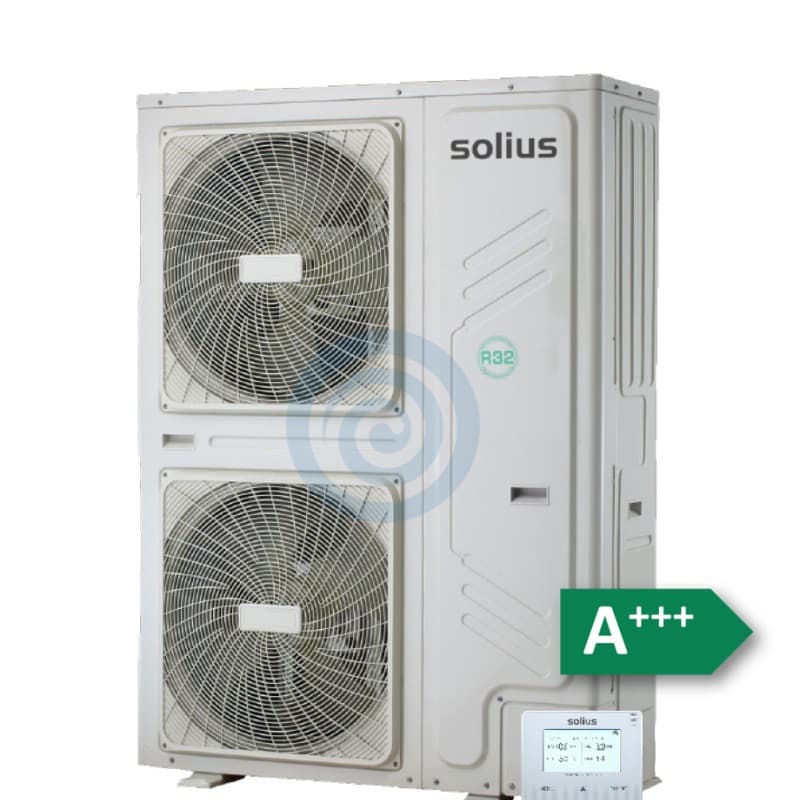
A heat pump is a system that transfers heat from one place to another using electricity efficiently. Instead of generating heat through combustion (like a gas water heater), the heat pump extracts heat from the outside air—even at sub-zero temperatures—and transfers it to the interior of the home or to domestic hot water.
For every kilowatt of electricity consumed, a heat pump produces between 2 and 4 kW of thermal energy. This ratio is known as COP (Coefficient of Performance) and is the major economic advantage of heat pumps over any electric resistance or combustion system.
What types of heat pumps are available?
- Air-to-air: easy to install, ideal for heating and cooling specific rooms—it is essentially a high-efficiency reversible air conditioner.
- Air-to-water: works in conjunction with central heating via radiators or underfloor heating, suitable for replacing boilers.
- Geothermal: uses heat from the ground, extremely efficient year-round, but with a more complex and invasive installation.
What are the advantages over gas boilers?
Heat pumps consume less energy, reduce electricity bills, and combine heating, cooling, and domestic hot water functions into a single unit—without the need for gas, a pressure regulator, or a chimney.
With the steady rise in gas prices and the decarbonization of the energy sector, switching to a heat pump offers both immediate savings and protection against future volatility in fossil fuel prices.
Can a heat pump also be used for cooling?
In most cases, yes. Reversible systems operate in heating mode in the winter and cooling mode in the summer. Efficiency in both modes is measured by two indicators: SCOP (Seasonal Coefficient of Performance) for heating and SEER (Seasonal Energy Efficiency Ratio) for cooling—the higher the better.
What maintenance is required?
Annual maintenance is recommended and includes: cleaning filters, checking pressures, performing an electrical inspection, and monitoring refrigerant levels. Regular maintenance significantly extends the equipment’s lifespan and keeps efficiency at its peak.
What is the lifespan of a heat pump?
On average, between 15 and 20 years. Proper use and regular maintenance are the factors that most influence durability. Well-maintained systems often have a longer-than-average lifespan.
Can I replace my current heating system?
Yes. Heat pumps significantly reduce energy costs and carbon emissions compared to older, inefficient systems. LEFE’s technical team evaluates your existing installation and presents the most suitable solution, including any necessary adjustments to the heat distribution network.
Is the installation very invasive?
It depends on the type you choose:
- Air-to-air systems require minimal work—similar to installing a conventional air conditioner.
- Air-to-water systems require modifications to the heat distribution network (radiators or underfloor heating).
- Geothermal systems are the most invasive, requiring ground drilling or the installation of horizontal collectors.
What is the return on investment?
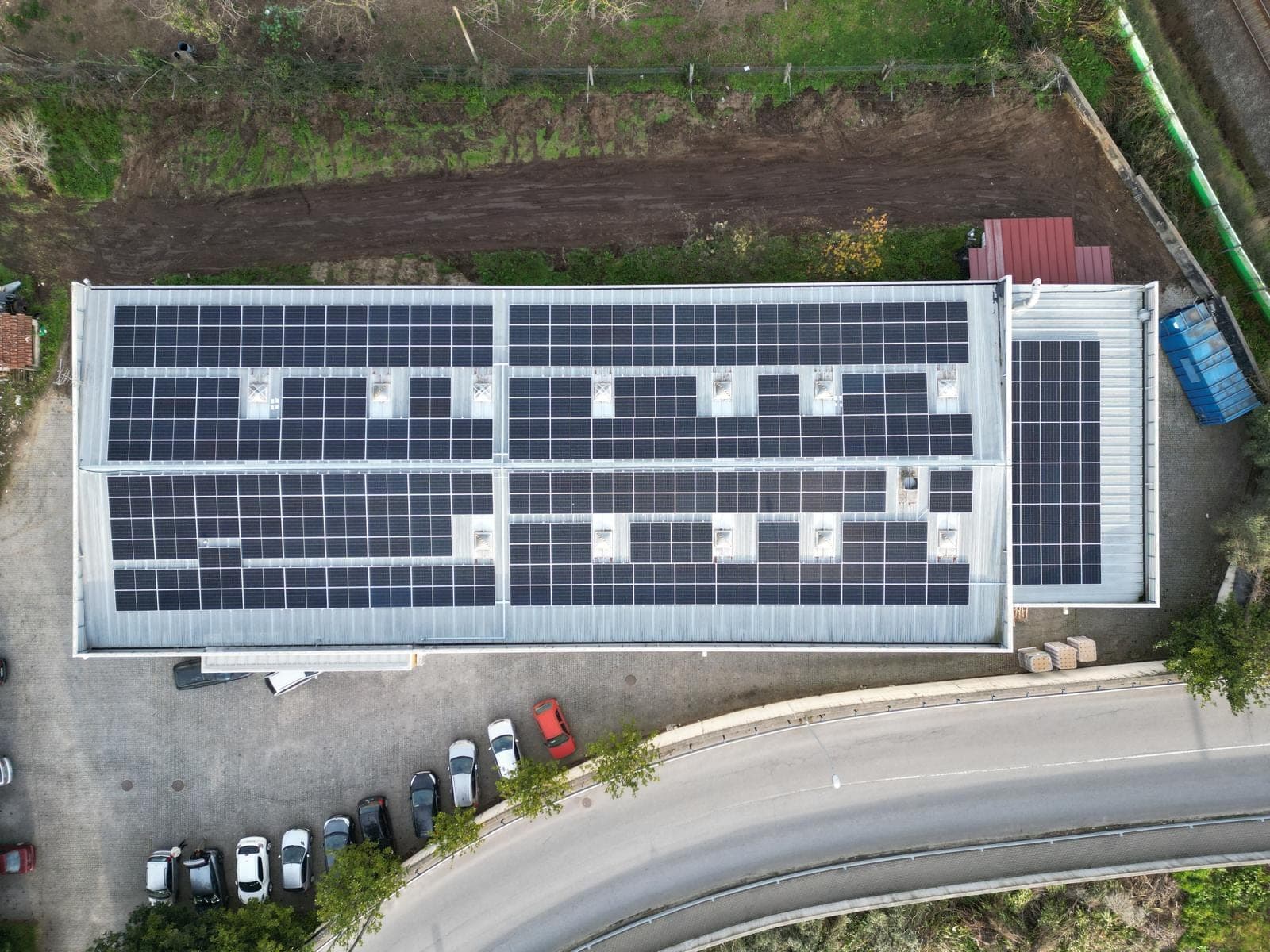
Heat pumps enable significant savings on your energy bill. The return on investment typically ranges from 5 to 10 years, depending on energy rates, the system being replaced, and the home’s usage patterns. When combined with solar panels, the return can be substantially faster.
The LEFE team will prepare a free analysis of the expected return for your specific situation, based on your actual energy consumption. Contact us to learn more.