
Domestic hot water accounts for a significant portion of a home’s energy consumption. Heat pumps for domestic hot water (DHW) are now the most efficient alternative to traditional electric water heaters and storage tanks—but there are two main types that are important to distinguish.
What is a DHW heat pump and why is it growing in popularity
A DHW heat pump works by extracting energy from the outside air and transferring it to the water. For every kilowatt of electricity consumed, it produces between 2 and 4 kilowatts of thermal energy—an efficiency that no electric water heater or heating element can match.
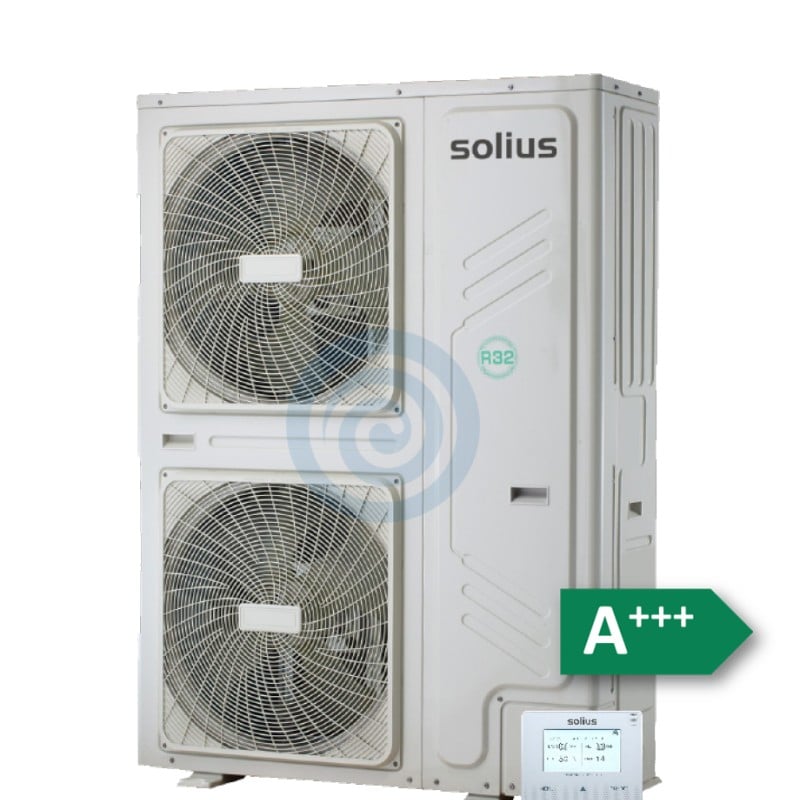
Non-Split (Monoblock) Heat Pump
The monoblock system integrates all components into a single unit installed outdoors. Its main features are:
- Simple and quick installation
- Suitable for spaces with available outdoor area
- Lower initial cost
- The compressor is located next to the unit (higher noise level)
Split Heat Pump
The split system separates the equipment into two units: an outdoor unit (compressor and air intake) and an indoor unit (hot water tank). The advantages include:
- Greater acoustic comfort — the compressor is located outside the living area
- Installation flexibility, including in apartments
- The tank can be placed in any interior room
Direct Comparison
- Installation: Non-split systems are simpler; split systems require refrigerant piping between the two units
- Efficiency: Both are highly competitive; differences are marginal in a residential setting
- Cost: Non-split is more economical initially; split represents a higher investment but offers greater comfort
- Maintenance: Both require simple and infrequent maintenance
When to Choose Each Option
Choose non-split if: you have a home with outdoor space, a limited budget, and equipment noise isn’t an issue.
Choose the split system if: you live in an apartment, have limited outdoor space, or prioritize acoustic comfort.
The LEFE team will analyze your situation for free and recommend the solution best suited to your specific needs. Contact us for a no-obligation technical visit.