
If you already have solar panels, you’ve probably noticed that some of the energy produced during the day feeds into the grid without being used. If you’re thinking about installing a solar power system, you’ve likely heard about batteries. In both cases, the question is the same: when does it make sense to invest in a solar battery?
Generating energy doesn’t mean using it
Most residential solar systems generate more electricity during the day, when many homes are empty. The energy is produced but not consumed—it goes directly into the grid, often at a low price. Then, at the end of the day, when consumption increases, the home buys electricity back from the grid at higher prices.
What is a solar battery for?
A solar battery stores the energy not consumed during the day and makes it available when needed—at night, on days with lower production, or during grid outages. It allows you to:
- Increase self-consumption
- Reduce the amount of energy fed into the grid
- Reduce electricity purchases
- Gain control and autonomy over the energy system
When does it make sense to install a battery?
Scenario 1 — New photovoltaic system
Integrating the battery from the design phase is the most efficient approach: the system is sized in a balanced way, eliminates waste from the start, and prepares the home for future energy needs such as electric vehicles or heat pumps.
Scenario 2 — Existing system
A battery is a natural solution to high daytime production with constant surpluses and bills that remain high despite the panels. It serves as an extension of the existing system without the need to replace the inverter (in hybrid systems).
What the data says
In a real-world case monitored by the Huawei FusionSolar platform:
Before the batteries:
- About 47% of the energy produced was fed into the grid
- Approximately 66% of the energy consumed came from the grid
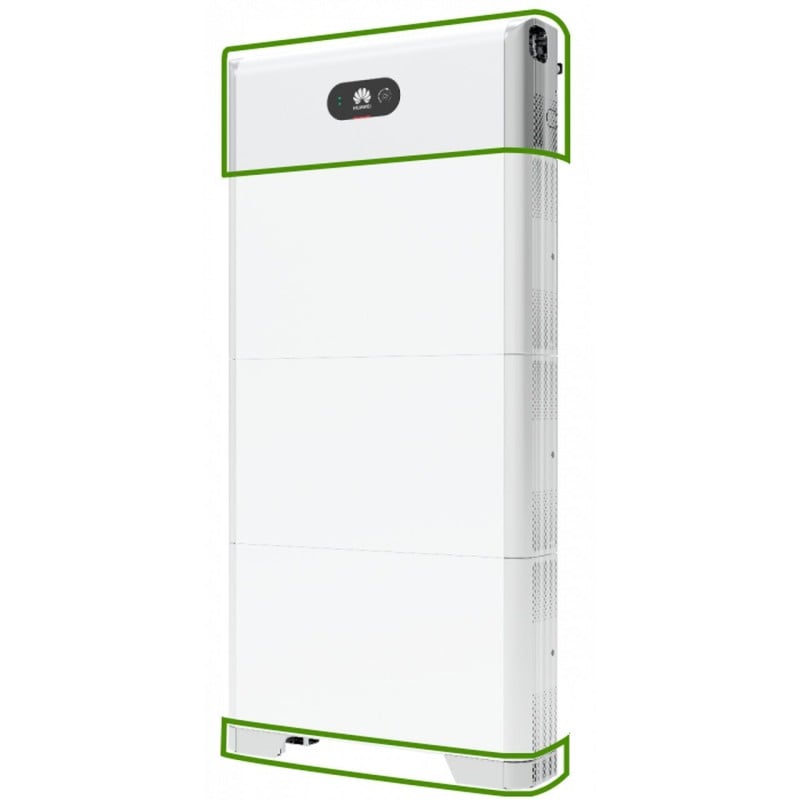
After installing 3 LUNA2000 battery modules:
- Self-consumption rose to nearly 89%
- Dependence on the grid dropped to about 18%
Without any change in habits or increase in production—just better energy management.
And how much does it cost to invest in a solar battery?
The investment depends on several factors:
- Total storage capacity required
- Number of battery modules
- Whether or not a battery control unit (BCU) is required
- Proper system sizing
- Integration with the existing photovoltaic system
The choice should not be based solely on price. An improperly sized system compromises the return on investment and reduces the expected benefits. It is essential to consult a specialized technician before proceeding.
In the end, the decision is simple (but not quick)
Installing a solar battery is a rational decision, based on numbers, consumption habits, and medium-term goals. For those who already have panels and feed a significant portion of their energy back into the grid, the battery becomes an optimization tool with a measurable return. For new systems, integrating storage from the start prevents waste from day one.
Talk to the LEFE team to calculate the expected return for your specific case.